Uncover five of the most breathtaking, historic, and vibrant attractions in Japan’s neon-lighted capital.
رحلة رقمية مدهشة عبر خمسة مواقع أسطورية في العاصمة اليابانية، تجمع بين حداثة المستقبل وعراقة التاريخ.
Welcome to Secret Tokyo, your digital guide to discovering the Japanese capital. Explore five iconic places that capture the essence of Tokyo, where ancient traditions blend with futuristic innovations. From the busy Tsukiji Fish Market to the neon-lit streets of Shibuya, we reveal the true soul of the city. مرحباً بكم في طوكيو السرية، دليلك الرقمي المفصل لاكتشاف العاصمة اليابانية الرائعة. استكشف معنا خمسة مواقع أيقونية تجسّد جوهر طوكيو وتاريخها، حيث تندمج التقاليد العريقة مع التكنولوجيا والابتكارات المستقبلية. من سوق تسوكيجي المزدحم للأسماك وصولاً إلى التقاطعات المضاءة بالنيون في شيبويا، نكشف لك الروح الحقيقية والنابضة لتلك المدينة الساحرة.
The last true fish market on earth آخر سوق حقيقي للأسماك في طوكيو
The tallest tower in entire Japan البرج الأعلى طولاً والأحدث في البلاد
An oasis of peace in the city heart واحة سلام روحية منعزلة في قلب المدينة
The world capital of kawaii & style عاصمة ثقافة وتنزيع الموضة الغريبة
The busiest intersection on Earth التقاطع الأكثر شهرة وحيوية في المجرى
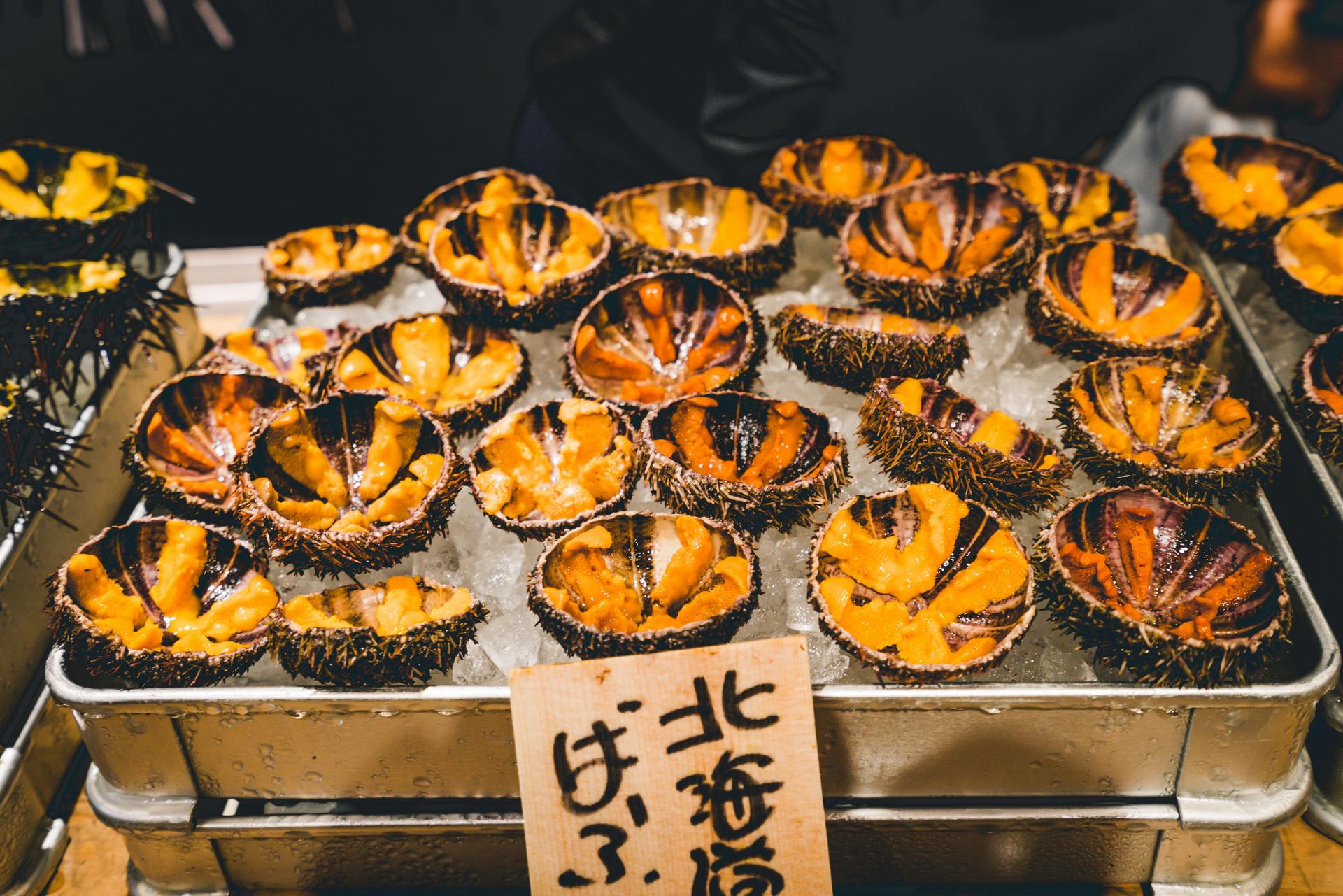
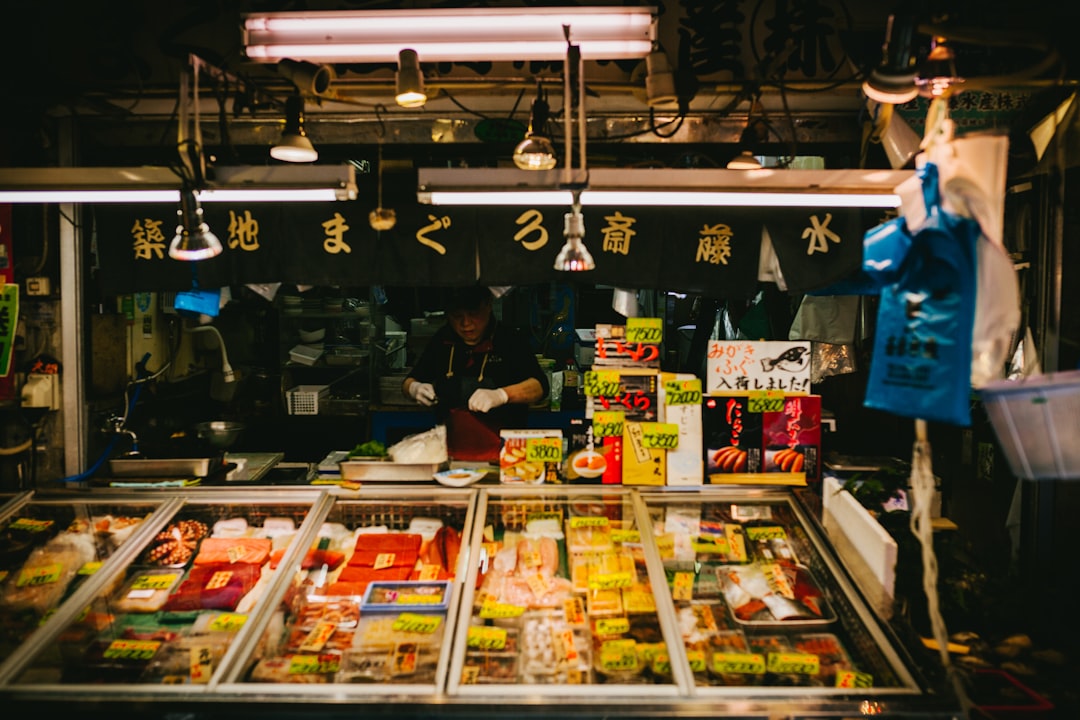
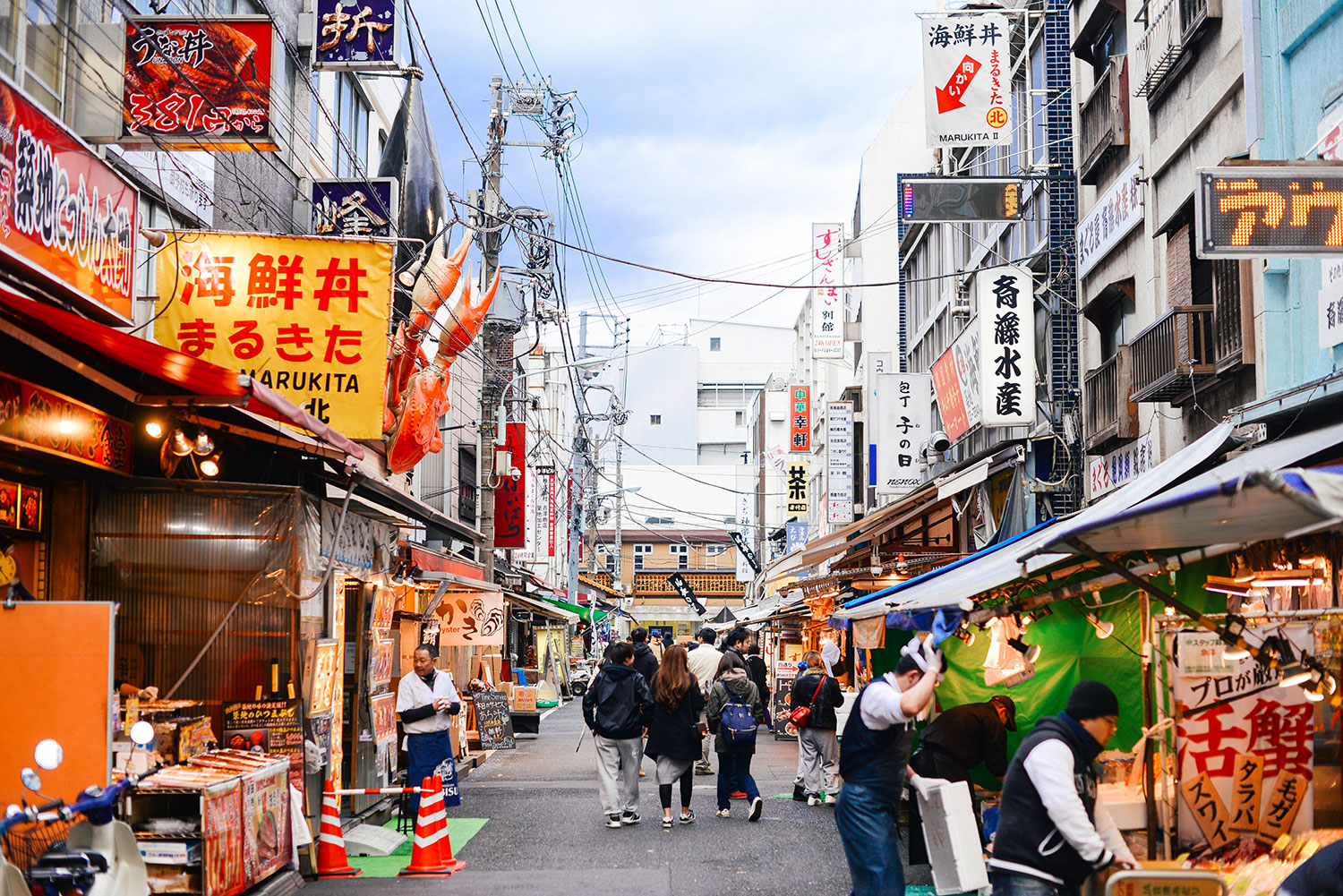
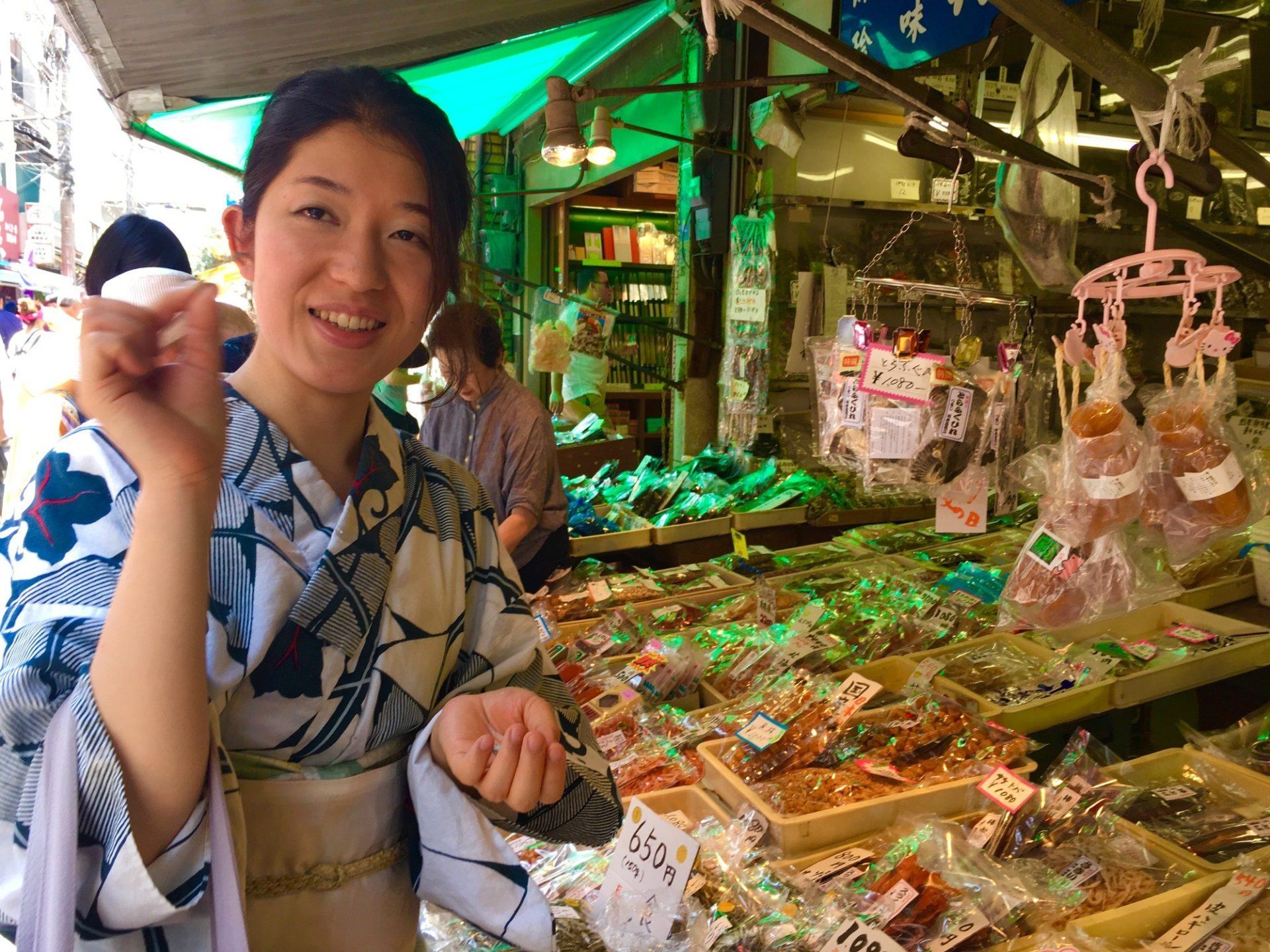
Welcome to Tsukiji Market, one of Tokyo's most famous spots for fresh seafood, Japanese food culture, and authentic local life. مرحباً بكم في سوق تسوكيجي التاريخي لعشاق المأكولات البحرية الطازجة، وثقافة الطهي اليابانية والنشوة الحقيقية.
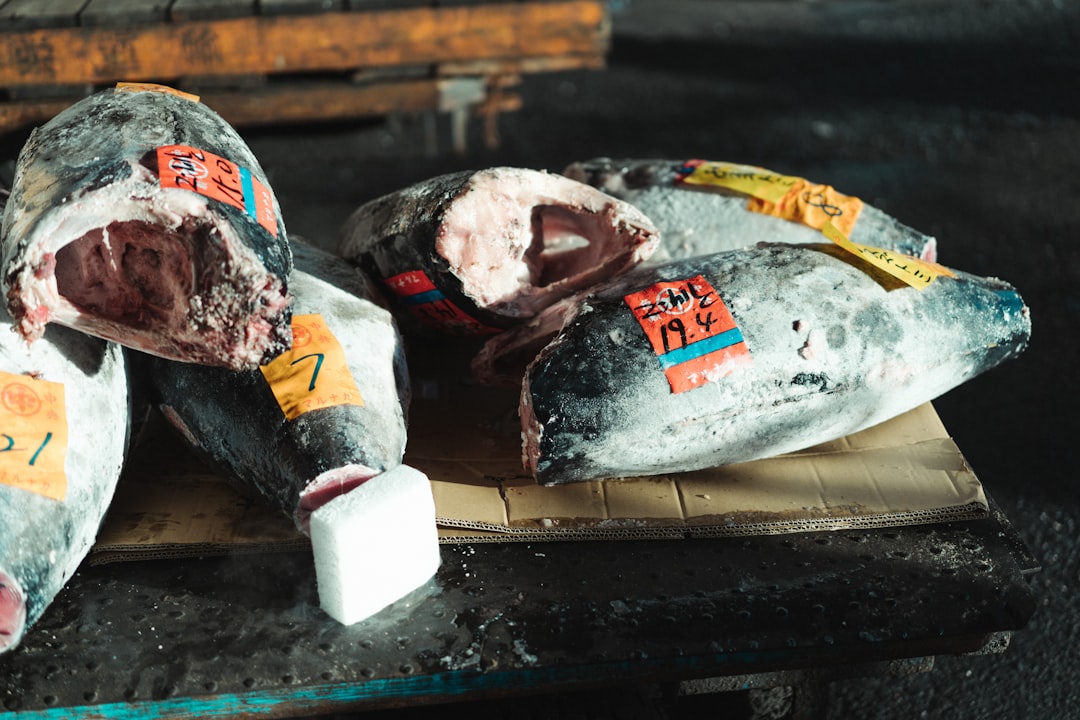
Born from the ashes of the Great Kantō Earthquake (1923), Tsukiji was conceived as a wholesale market to replace the destroyed Nihonbashi fish market. Opened in 1935, it became the largest fish market in the world for 83 years, handling over 2,000 tons of fish daily. The legendary early dawn tuna auctions became globally renowned, with bluefin tuna fetching record-breaking prices. Although the official wholesale operations moved to modern Toyosu in 2018, Tsukiji’s Outer Market continues to thrive as an open-air museum filled with incredible street food stalls, artisanal shops, and legendary culinary masters keeping centuries-old preparation techniques alive. وُلِد سوق تسوكيجي فجر زلزال كانتو المدمر عام 1923 كبديلاً تجارياً لسوق نيهونباشي القديم للأطعمة البحرية. افتتح عام 1935 ليصبح وجهة الأسماك الأضخم في العالم بأكمله لمدة زادت عن 83 عاماً متواصلاً، مسجلاً تداولاً يتجاوز 2,000 طن أسماك يومياً. وعلى الرغم من ترحيل عمليات الجملة الضخمة ومزادات التونة الشهيرة لمدينة تويوسو الحضرية في عام 2018، لا يزال السوق الخارجي العتيق لتسوكيجي ينبض كأكبر معرض ومتحف شعبي حي وحر لأطعمة الشارع اليابانية التقليدية.
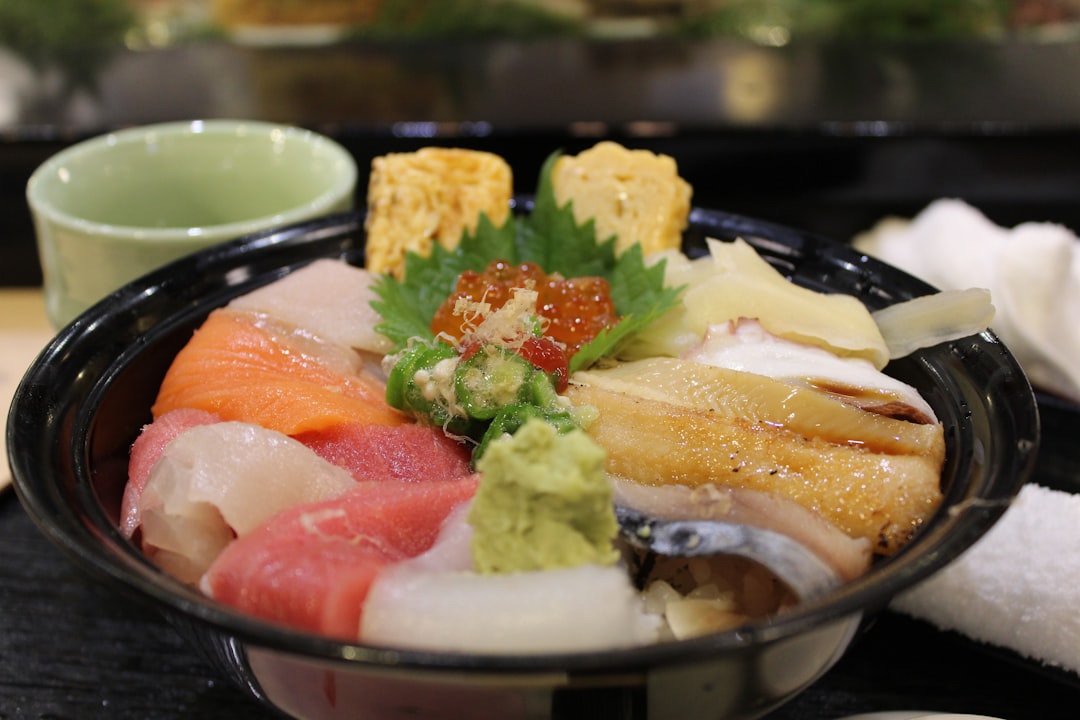
Top quality fresh Edo-style sushi طعم أصلي رائد بأسماك تم صيدها صباحاً
Butter-grilled scallops and squid كالاماري ومحار مشوي بالزبدة مباشرة
Classic sweet layered eggs فطائر البيض اليابانية الحلوة اللذيذة
Forged chef blades and gear سكاكين حادة مصنوعة يدوياً للمحترفين
Take the Hibiya Subway Line to Tsukiji Station (Exit 1 or 2, 1-min walk), or the Toei Oedo Line to Tsukijishijo Station (Exit A1, 1-min walk). It is super easy to find! اسلك خط مترو هيبيا (Hibiya Line) وانزل في محطة تسوكيجي (Tsukiji) عبر المخرج 1 أو 2 (دقيقة سيرًا)، أو خط أويدو (Toei Oedo Line) إلى محطة تسوكيجيشيجو (Tsukijishijo) عبر مخرج A1.
📍 Open in Google Maps افتح في خرائط جوجل
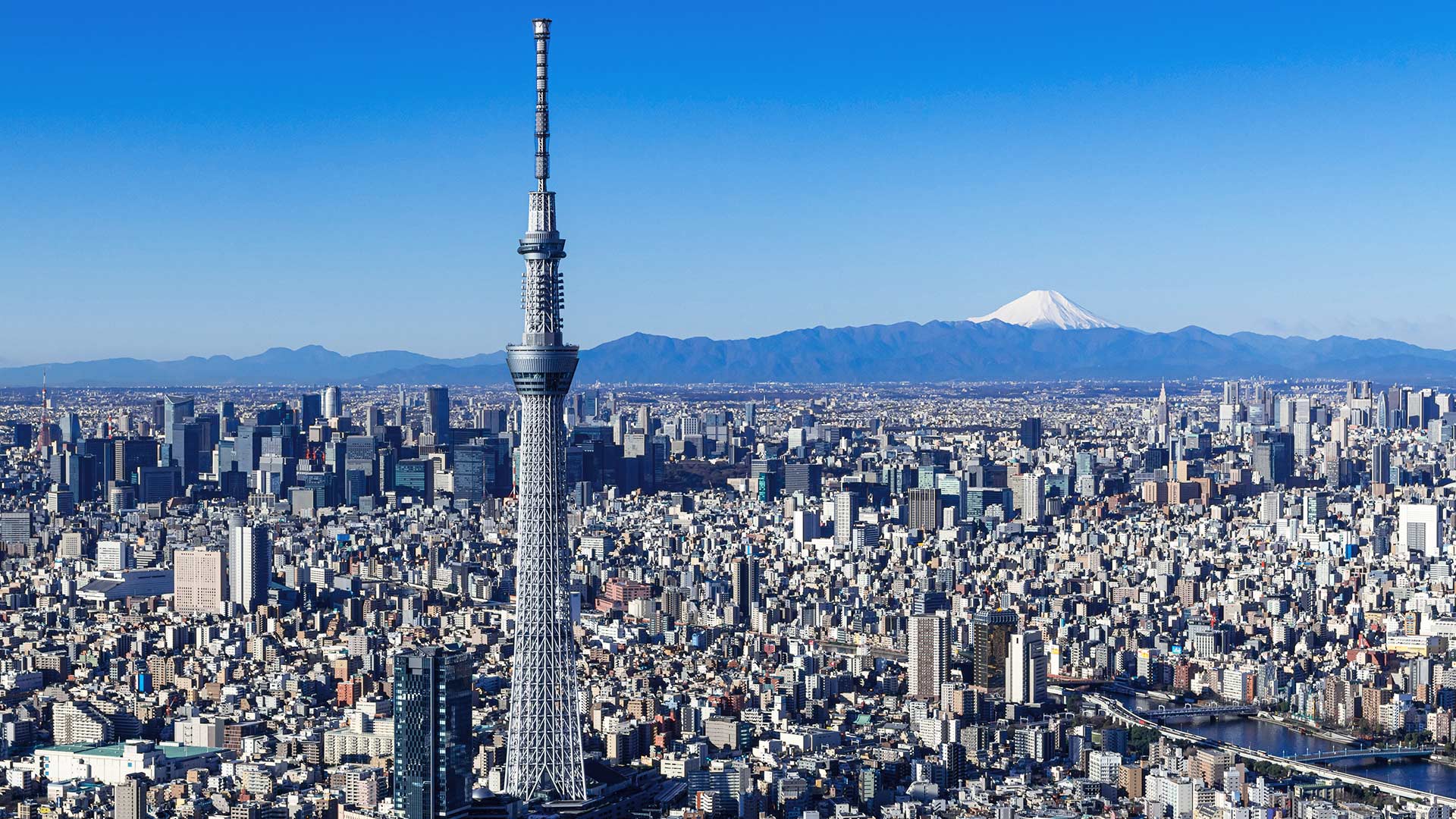
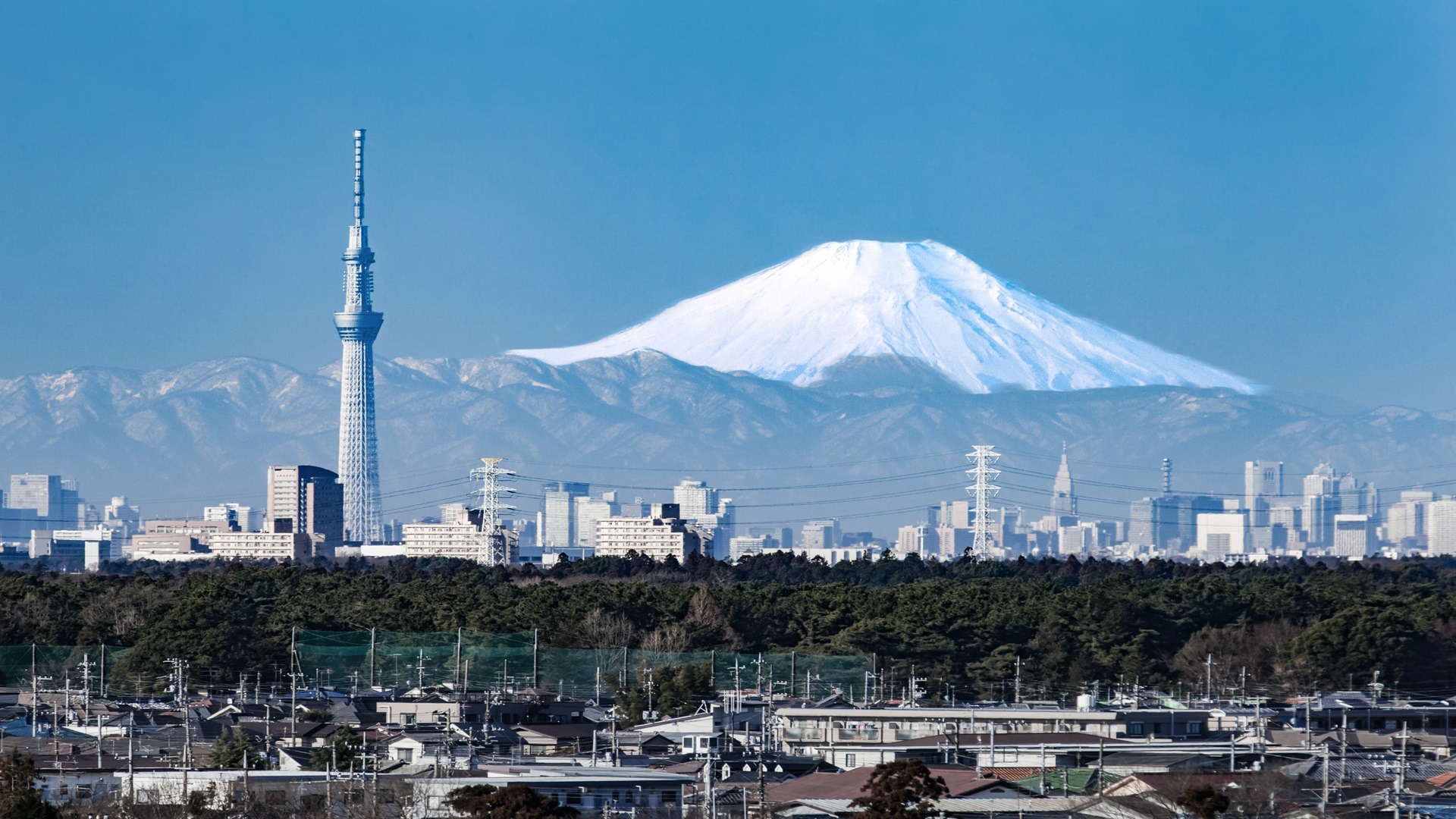
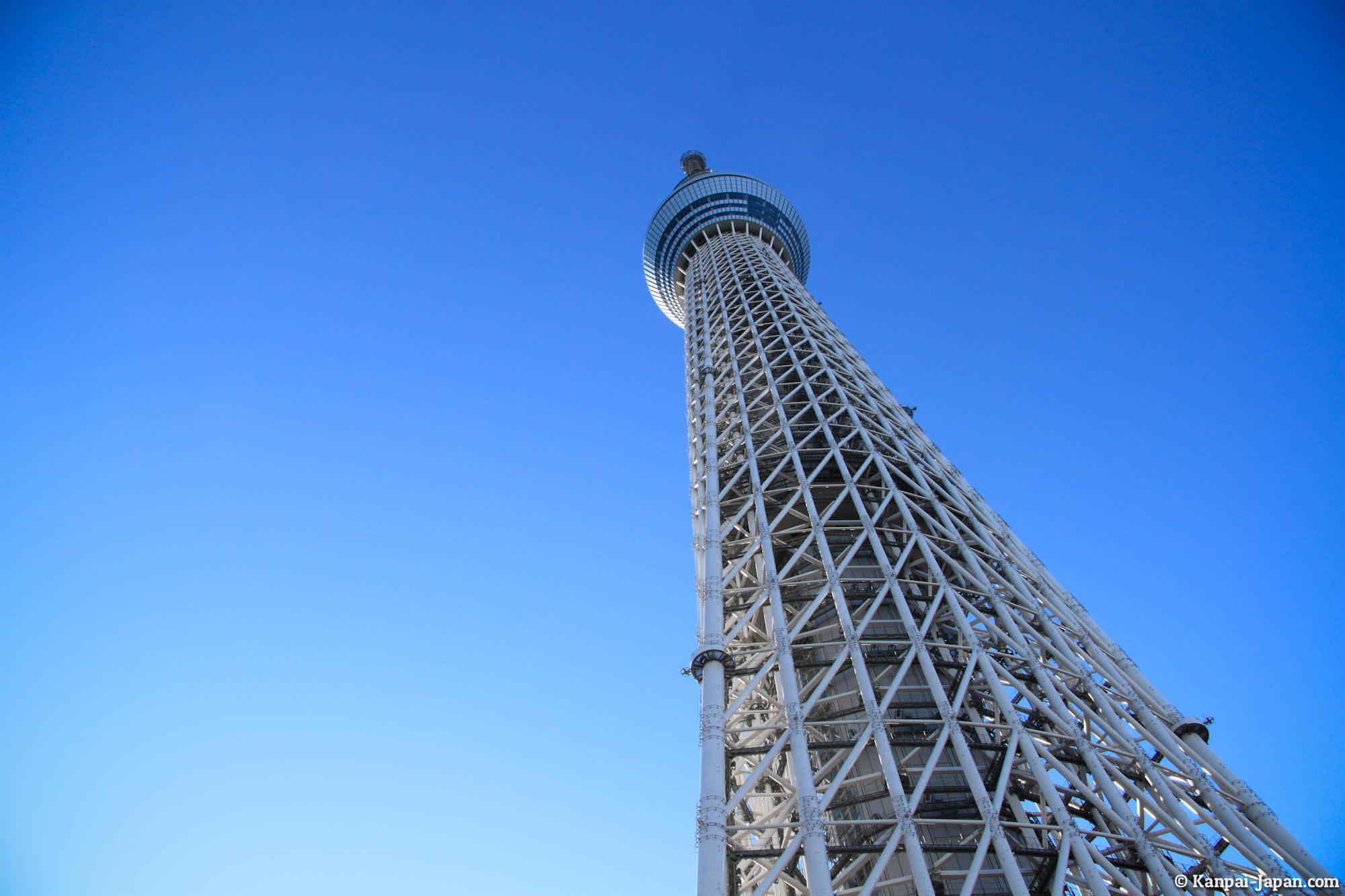
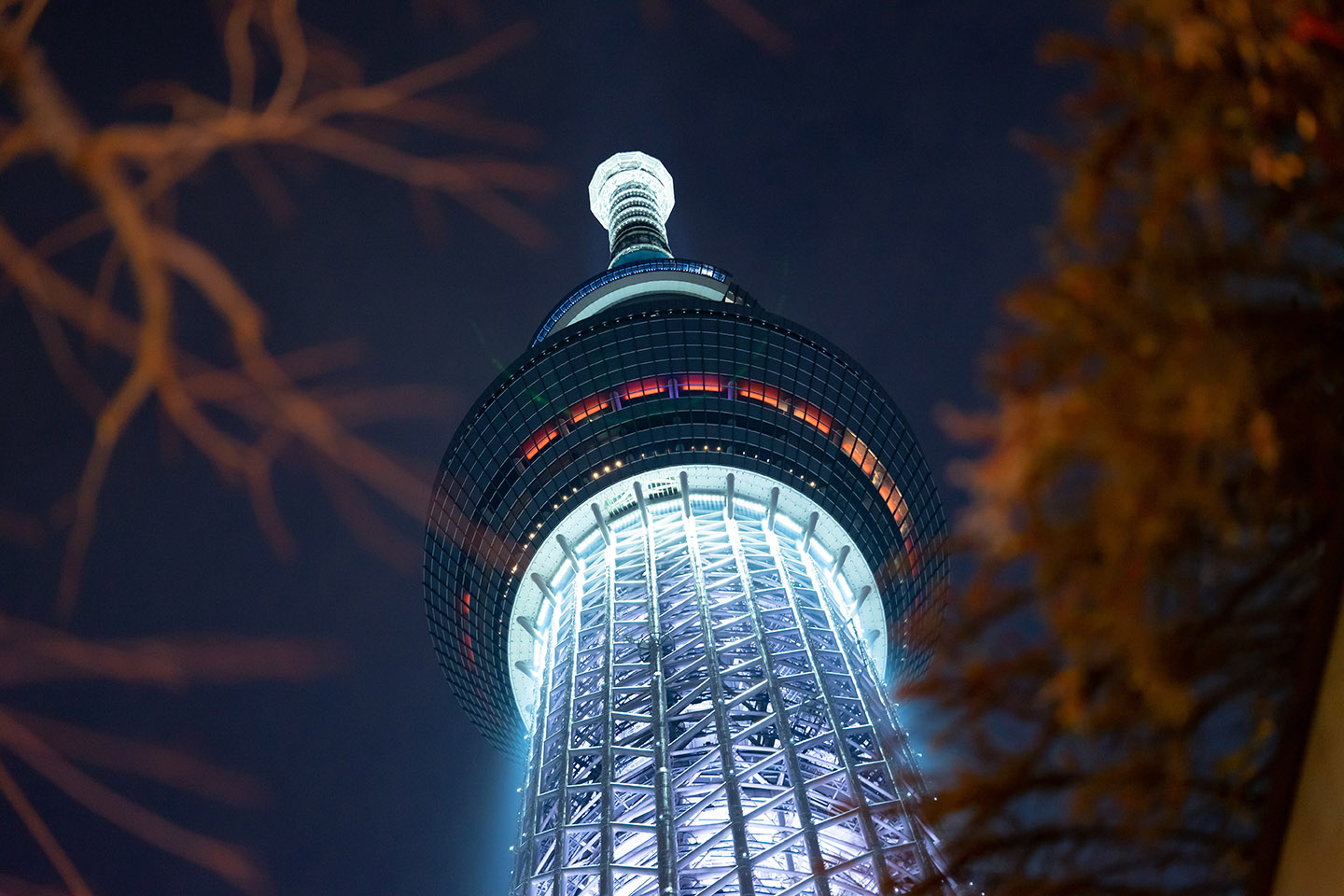
Welcome to Tokyo Skytree, the second tallest structure in the world at 634 meters. A stunning marvel of design and resilience. مرحباً بكم في طوكيو سكاي تري، ثاني أطول مجسم معماري شيده الإنسان في العالم بارتفاع مذهل يصل إلى 634 متراً.
Completed in 2012 to replace the older Tokyo Tower, its highly symbolic height of 634 meters honors Tokyo’s medieval history. The digits "6-3-4" are read as 'Mu-Sa-Shi' in old Japanese, celebrating the historical Musashi feudal province. Renowned arquitect Nikken Sekkei fused modern seismic engineering with pagoda architecture, implementing a massive center pillar (shinbashira) that counter-balances earthquakes. The glowing white metallic lattice structure combines elements of 'sori' (the slope of samurai swords) and 'miyabi' (aesthetic elegance), representing a monument of Japanese post-disaster renewal. تم الانتهاء من هيكل البرج في عام 2012 كبديل تجاري وتلفزيوني يحل محل برج طوكيو التقليدي القديم. وقد تم تخطيط ارتفاعه البالغ 634 متراً كإشارة تاريخية لعراقة طوكيو، حيث تنطق الحروف الرقمية (634) 'موساشي' وهو الاسم التقليدي لمقاطعة طوكيو الإقطاعية. صمم البرج المعماري الرائد نيكين سيكي جامعاً هندسة الزلزال اليابانية وبنيان معبد الباغودا لتشكيل عمود رئيسي مرن يمتص الهزات الأرضية كاملة بمرونة تامة.
Stretching till Mount Fuji رؤية كاملة 360 درجة ممتدة لجبل فوجي
Breathtaking glass skywalk ممشى زجاجي معلق فائق الطول والإثارة
Up in just 50 seconds تصل لقمة البرج في 50 ثانية مع عروض ليد
Dining over the clouds وجبات فاخرة معلقة وسط السحاب والغيوم
Take the Tobu Skytree Line directly to Tokyo Skytree Station, or take the Hanzomon or Asakusa Line to Oshiage Station (Skytree-mae) with direct basement access. استخدم خط طوبو سكاي تري (Tobu Skytree Line) مباشرة إلى محطة Skytree Station، أو خط هانزومون (Hanzomon Line) أو أساكوسا (Asakusa Line) إلى محطة أوشياغي (Oshiage Station) الموصولة مباشرة بالبرج.
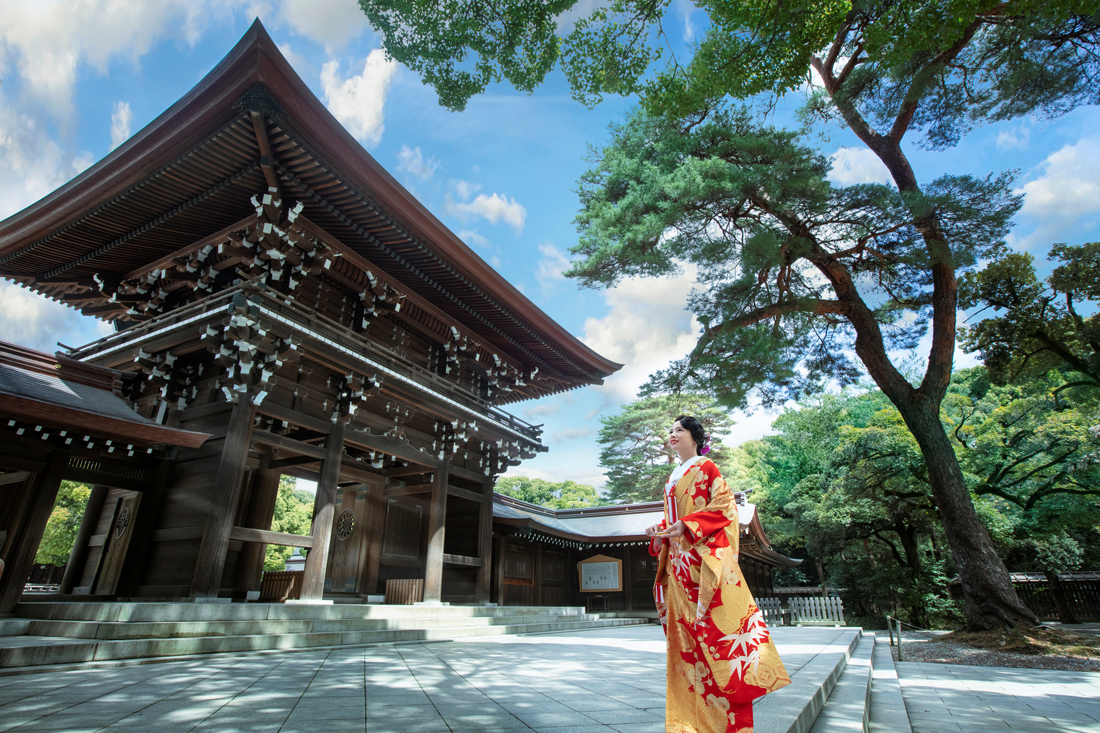
📍 Open in Google Maps افتح في خرائط جوجلWelcome to Meiji Shrine, an oasis of history, peace and nature in the absolute heart of the bustling metropolis. مرحباً بكم في معبد وضريح ميجي الأثري، واحة الجمال والسكينة والروحانية الطبيعية المنفصلة التراثية.
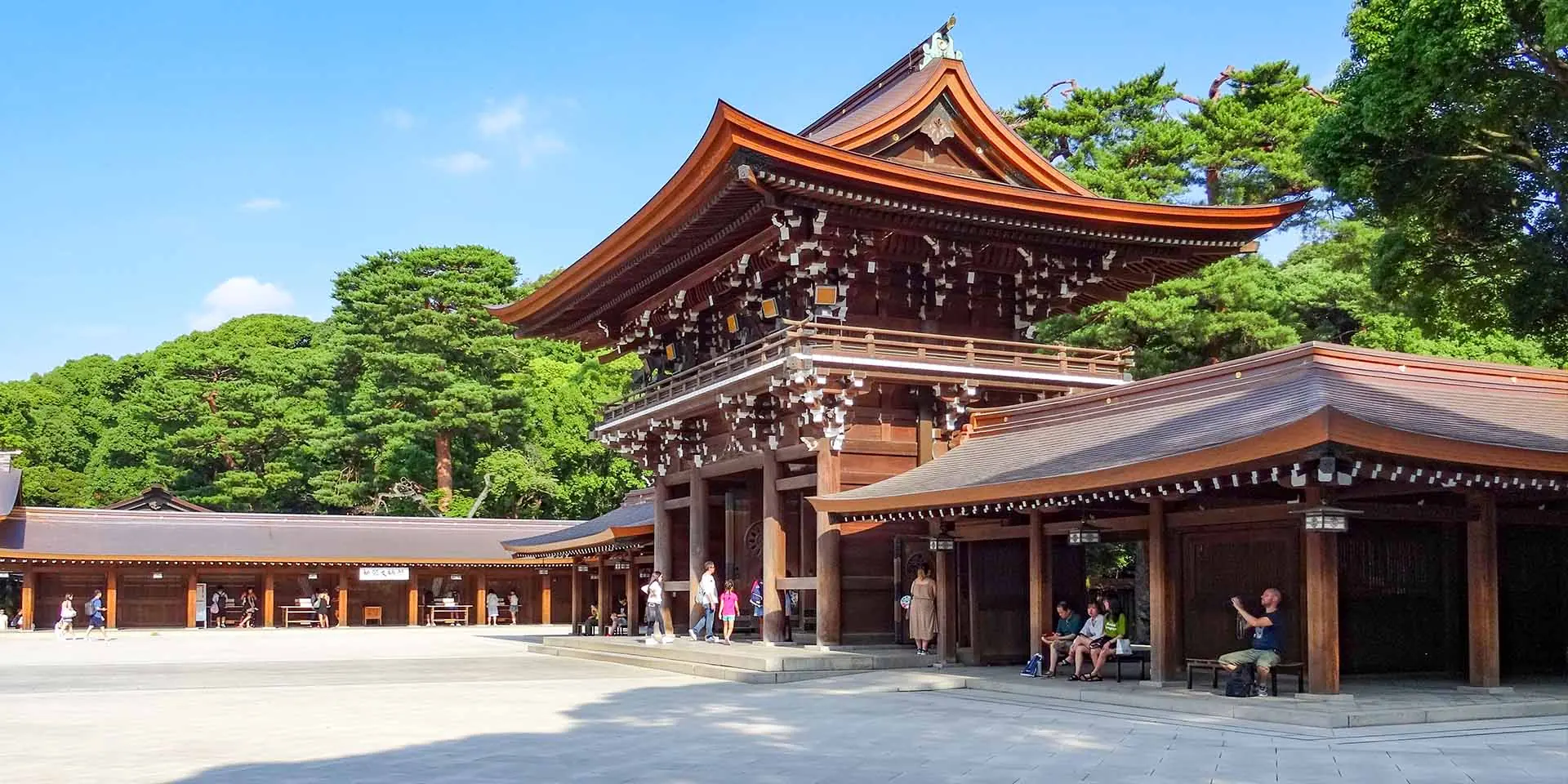
Dedicated in 1920 to the memory of Emperor Meiji and his partner Empress Shōken, the temple celebrates the imperial leaders who guided Japan from its isolation state during the Edo Period to a booming, industrialized global empire. Rebuilt beautifully in 1958 after burning during WWII bombings, its vast evergreen forest occupies 170 acres, consisting of over 120,000 trees representing 245 native species donated from every state across the nation, forming an incredible, self-healing forest ecosystem. Standing in contrast within the shrine are rows of French wine barrels (Burgundy) opposite highly traditional Japanese sake barrels, showcasing the late Emperor’s core philosophy: 'Wakon-Yosai' (Japanese spirit blended with Western modern science). أُسس المعبد عام 1920 تكريماً وتخليداً لذكرى الإمبراطور الحكيم ميجي والإمبراطورة شوكين، اللذين قادا المسار التنموي لليابان من دولة معزولة إقطاعياً إلى دولة منفتحة متحضرة برياح الصناعة والعلوم الحديثة. يمتد المعبد وسط غابة غامرة تبلغ مساحتها 170 فداناً مزينة بأكثر من 120 ألف شجرة من أنواع نادرة ومستدامة. يبرز للزائر صفوف متقابلة ومدهشة من براميل النبيذ الفرنساوي التقليدي مقابل براميل الساكي الياباني تخليداً لفلسفة الإمبراطور لدمج مزايا الفكر الشرقي والتقنيات الغربية.
1500-year old Taiwanese wood أخشاب ارز نادرة عمرها قرون كمدخل مقدس
Beautifully decorated casks براميل الساكي المزينة بأرقى أعمال الخط
Write wishes for the future اكتب أحلامك وعلقها تحت شجيرات الكافور
Blooms majestically in June زهور السوسن البنفسجية الزاهية في يونيو
Take the JR Yamanote Line to Harajuku Station (Omotesando Exit, 1-min walk to Torii gate), or Chiyoda/Fukutoshin Subway Lines to Meiji-jingumae Station (Exit 2). اسلك خط JR Yamanote Line إلى محطة هاراجوكو (Harajuku Station) عبر مخرج أوموتيساندو (دقيقة واحدة لبوابة التوري الأثرية)، أو خطوط مترو **Chiyoda/Fukutoshin** إلى محطة **Meiji-jingumae** (مخرج 2).
📍 Open in Google Maps افتح في خرائط جوجل
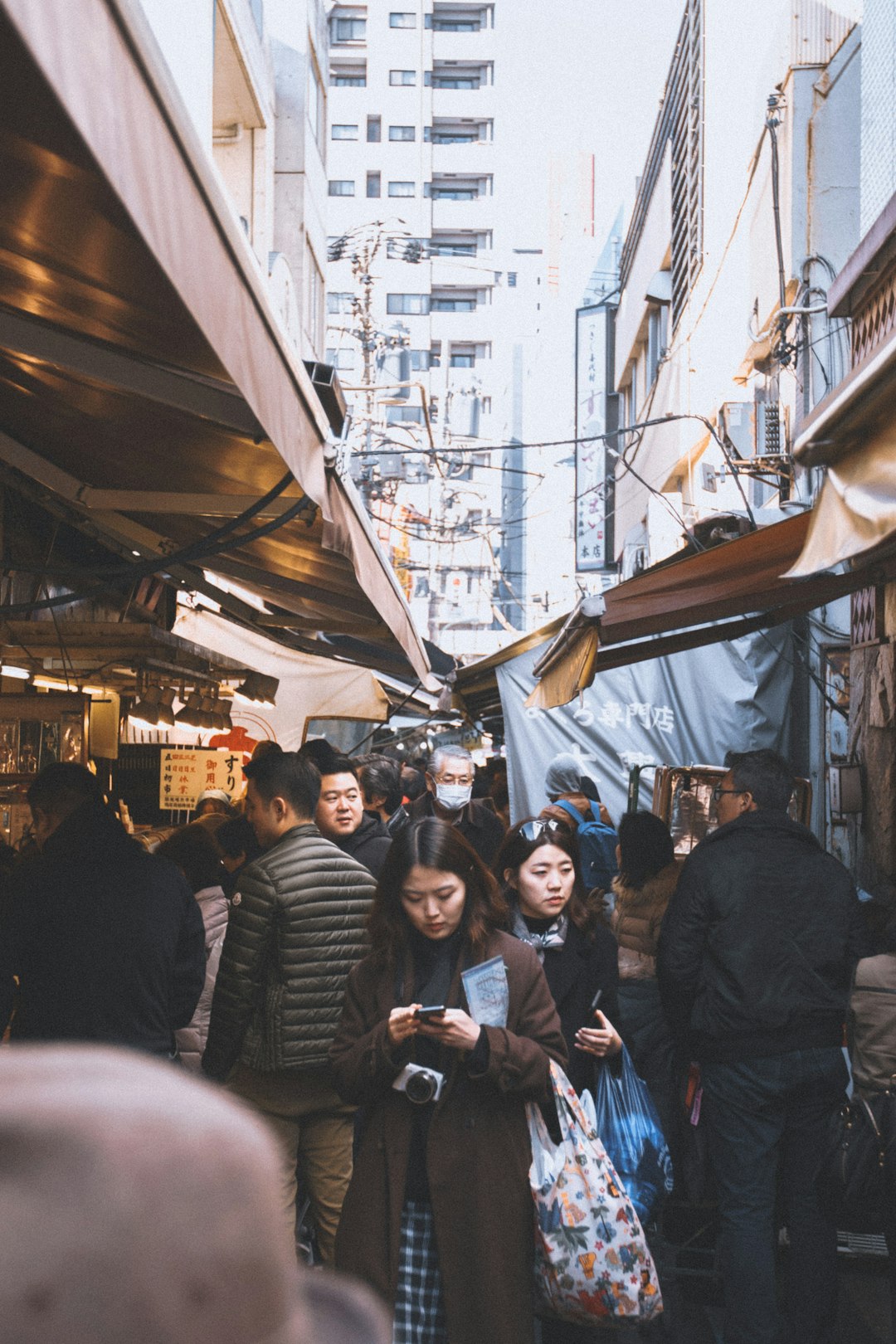
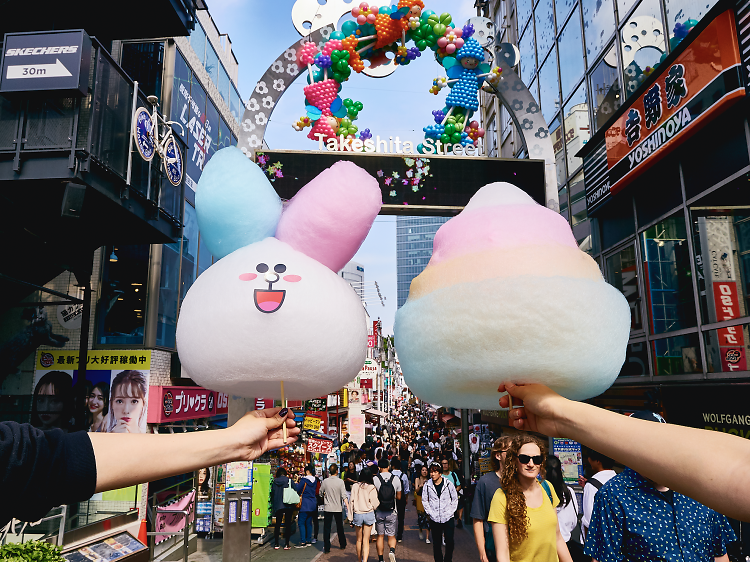
Welcome to Harajuku, the vibrant, colorful centerpiece of Tokyo’s youth fashion and avant-garde style trends. مرحباً بكم في هاراجوكو، العاصمة الرمزية الصاخبة والمجنونة للموضة والأزياء وقدرة التعبير اللامحدود للشباب ببهجة الألوان.
Following WWII, Harajuku hosted Washington Heights, a grand US military base. When troops left in 1964, trendy Japanese youth reclaimed the geographic space, starting local coffee houses and blending American rockabilly with Japanese aesthetics. The 1970s gave birth to 'Takenoko-zoku'—groups of teens dancing on Jingubashi bridge wearing bright, neon kimonos. By the 198s, Takeshita Street emerged as a worldwide focal spot for sweet lolitas, visual-kei bands, and expressive subcultures. It remains an absolute sensory explosion of cute candy, vintage thrift boutiques, and dynamic street artists. بعد انتهاء الحرب العالمية الثانية، كانت هاراجوكو موطناً لقاعدة 'واشنطن هايتس' العسكرية لجيش الولايات المتحدة الأمريكاني. تلت مغادرتهم في 1964 تحولاً جذرياً؛ إذ امتلأت هاراجوكو بمحلات ومقاهي الشباب الياباني المتمرد، مدمجين روح الروك الأمريكي مع أصالة وعيون الفن المحلي. شهد عام 1970 ظهور فرق شبابية بزي الكيمونو النيوني تملأ أرصفة الجسور برقص متناغم. واليوم، تعد هاراجوكو وشارع 'تاكيشيتا' الشهير عقر دار ثقافة 'الكوايي' (الظرافة) وثقافات الموضة البديلة لشباب طوكيو والبلد أجمع.
Rainbow cotton candy & fun أطعمة ملونة حلوى قطن قوس قزح
Custom Lolita & punk attire ملابس قوطية، أزياء البانك واللوليتا
Since 1976 on Takeshita مذاقات عريقة تملأ مخابز ماريون الشهيرة
Independent local artwork مساحات لعرض إبداعات رسامين طوكيو
Take the JR Yamanote Line directly to Harajuku Station (Takeshita Exit, 1-min walk), or take the Chiyoda & Fukutoshin Subway Lines to Meiji-jingumae Station (Exit 3 or 5, 3-min walk). خذ خط JR Yamanote Line مباشرة إلى محطة هاراجوكو (Harajuku Station) عبر مخرج تاكيشيتا (دقيقة واحدة للشارع)، أو خطوط مترو **Chiyoda/Fukutoshin** إلى Meiji-jingumae (مخرجي 3 أو 5).
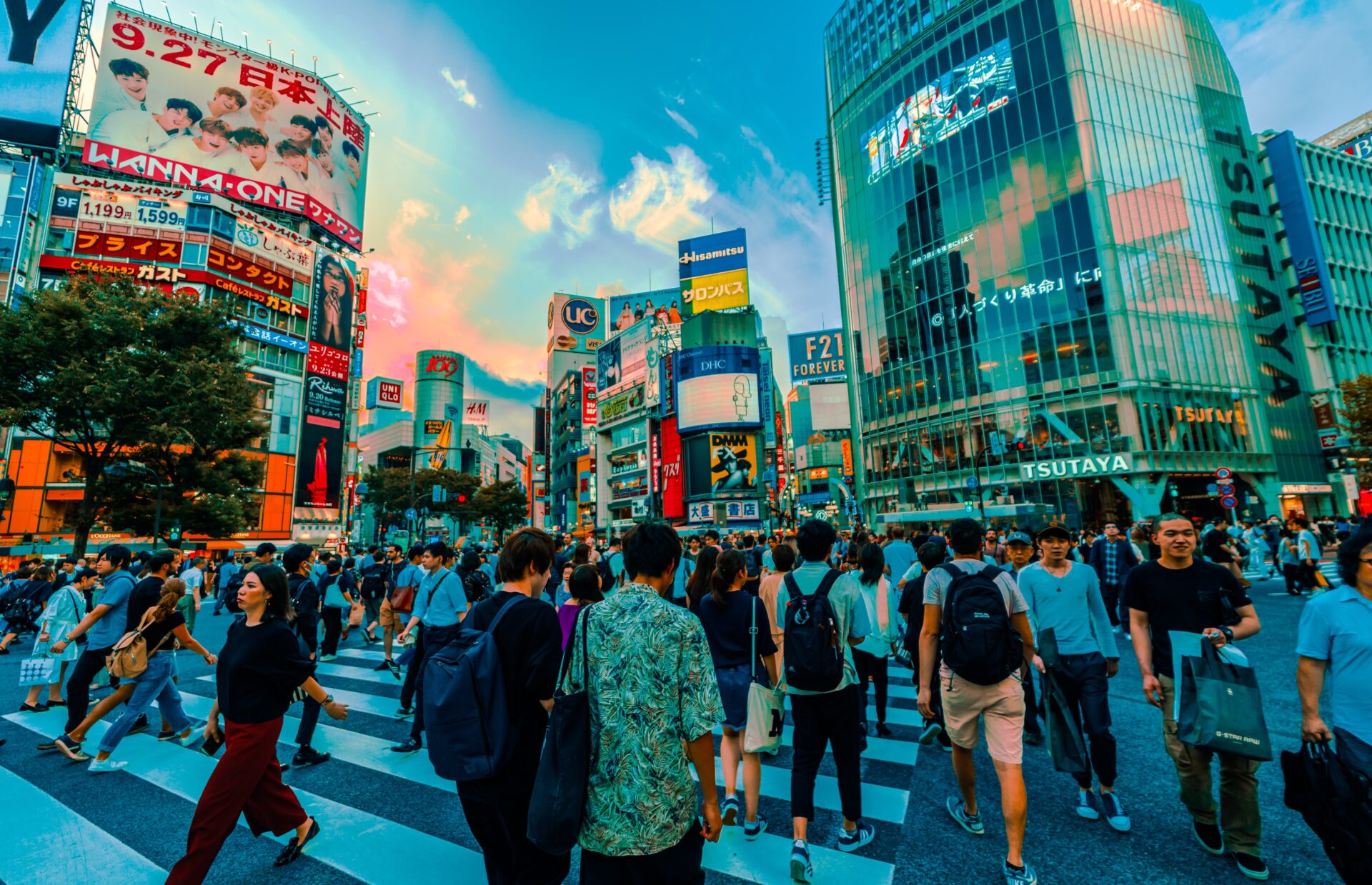
📍 Open in Google Maps افتح في خرائط جوجلWelcome to Shibuya, home to neon skies, immense video displays, and a breathtaking, non-stop futuristic pulse. مرحباً بكم في شيبويا، حلم ممتد من أنوار النيون الساطعة، شاشات العرض المترامية، والطاقة الجبارة الصارخة.
Beginning as a simple postal transit stop in 1885, Shibuya rebuilt from the ashes of post-war damage to emerge as Japan's ultimate modern city transit center. Centering around the historical Shibuya Crossing, millions gather daily under giant video advertisements. Just outside the central transit gate stands the bronze statue of Hachikō (built 1934)—commemorating the incredible Akita canine who waited for his late professor master daily for nine years, transforming the spot into a global meeting point, and a symbol of pride, persistence, and Japanese loyalty. بدأت شيبويا كمجرد محطة بريدية ريفية ووقفة أولية للقطار في عام 1885. غير أن حركة الإعمار الشاملة تلت الحرب العالمية الثانية طورت التقاطع لجعله العصب الأهم والمركز الحضري الأعمق في طوكيو والبلد كافة. ويتميز التقاطع بجريان آلاف المارة في شتى الاتجاهات مع صفير إشارة المرور في تنظيم باهر وتناغم عجيب. وتقع خارج منفذ محطة القطار الشهيرة ببرونزيتها تمثيل الكلب الوفي هتشيكو الشهير الذي انتظر سيده المتوفى تسعة أعوام.
3000 people crossing at once مشهد مذهل بالعبور الجماعي السريع للمشاة
Tokyo-wide meeting hotspot المكان المعتمد والأشهر للقاءات في العاصمة
Mecca of modern style trends معبد الموضة الجريئة والجمال في طوكيو
Lanterns & traditional izakayas حانات خشبية ومشاوي على أنوار الفوانيس
Take the JR Yamanote, Saikyo, Tokyo Metro Fukutoshin, Hanzomon, or Ginza Lines to Shibuya Station. Take the legendary Hachiko Exit (Exit A8) to step right onto the crossing. اسلك خط JR Yamanote Line أو خطوط مترو طوكيو الأخرى إلى محطة شيبويا (Shibuya Station). واخرج من مخرج هاتشيكو (Hachiko Exit / Exit A8) الشهير لتجد نفسك على التقاطع مباشرة.
📍 Open in Google Maps افتح في خرائط جوجل